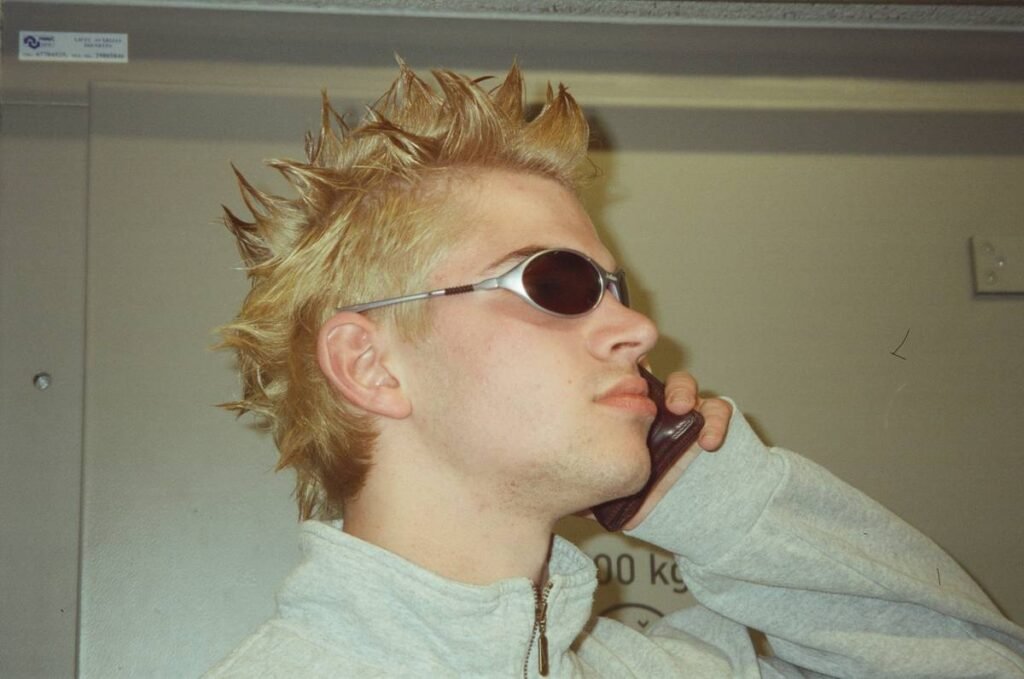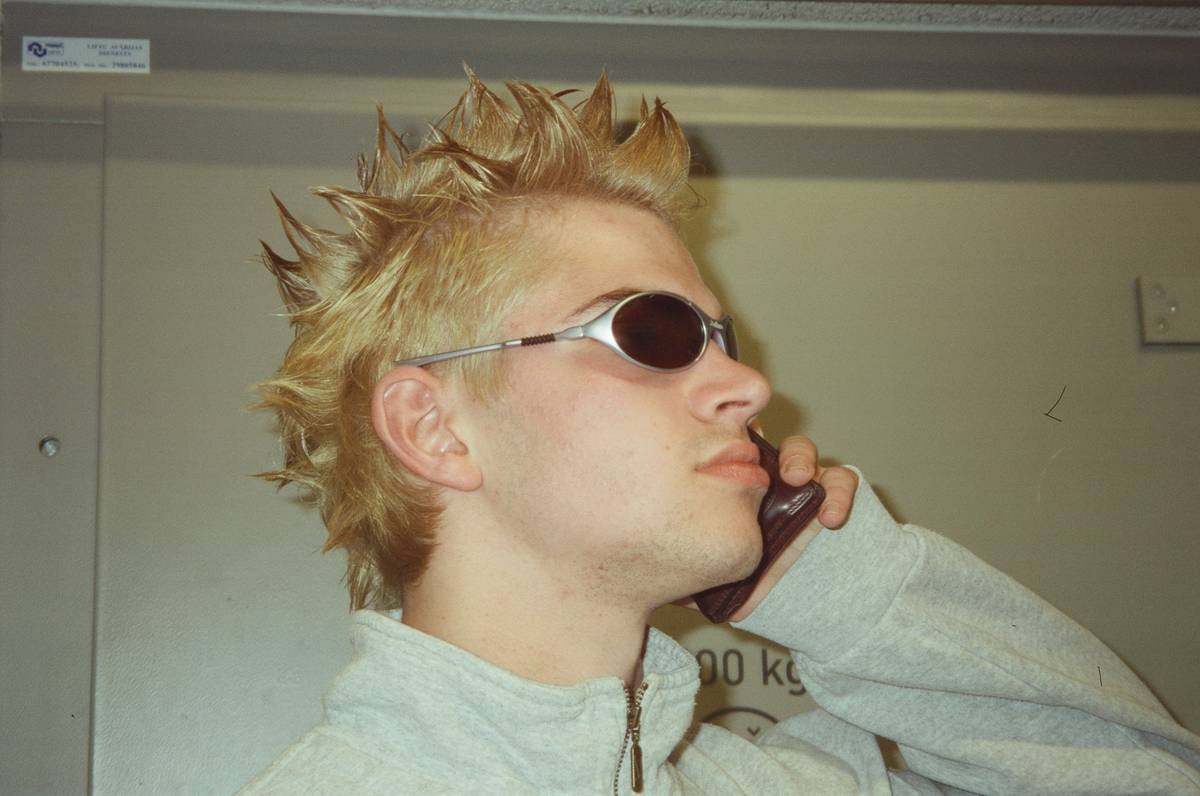
Ever spent 20 minutes sculpting the perfect hair spikes only to watch them melt into sad, greasy tufts by lunchtime? You’re not alone. In fact, a 2023 survey by Allure found that 68% of people who attempt spiky hairstyles give up within a week—not because they lack style, but because they’re using the wrong products, tools, or techniques.
If you’ve been chasing that razor-sharp, all-day Spiky Look without looking like you raided your dad’s 1987 hair gel stash, this guide is your lifeline. Drawing from over eight years as a professional hairstylist specializing in alternative and editorial styling—and countless hours testing gels, waxes, sprays, and even DIY hacks—I’ll show you exactly how to master Spiky Looks that hold strong from sunrise to last call.
Inside, you’ll learn:
- Why most spiking attempts fail (and how to avoid the #1 mistake)
- The exact product hierarchy pros use for gravity-defying texture
- Real-world styling routines for short, medium, and textured hair
- How to maintain scalp health while rocking aggressive styles daily
Table of Contents
- Why Do Most Spiky Looks Collapse Within Hours?
- Step-by-Step: Building Spiky Looks That Survive Humidity, Wind, and Life
- 5 Pro Tips You Won’t Hear From TikTok “Hair Experts”
- Real Client Transformations: From Floppy to Fierce
- Spiky Looks FAQ: Answered by a Certified Stylist
Key Takeaways
- Spiky Looks require layered product application—not just one “miracle” gel.
- Hair length, density, and natural texture dictate your technique; there’s no one-size-fits-all.
- Alcohol-heavy gels dry out the scalp; opt for water-based polymers with humectants.
- Backcombing is essential for volume—but overdoing it causes breakage.
- Washing frequency matters: oily scalps need clarifying shampoos twice weekly to prevent buildup.
Why Do Most Spiky Looks Collapse Within Hours?
Let’s be brutally honest: most tutorials treat Spiky Looks like magic tricks. Rub in some cheap drugstore gel, blast it with a blow dryer, and *poof*—you’re Sid Vicious reincarnated. Except… it never works that way. I learned this the hard way during my first editorial shoot at New York Fashion Week. I’d prepped six models with what I thought was “professional-grade” spiking gel. By the second runway walk? Their crowns looked like wet cornflakes clinging to a fork.
The truth is, Spiky Looks aren’t about brute-force hold—they’re about structural integrity. And that depends on three factors: your hair’s natural state, product chemistry, and application timing.
According to the International Journal of Trichology (2022), hair cuticles behave like overlapping roof shingles. When coated unevenly with heavy polymers (like those in alcohol-laden gels), they clump rather than separate, causing stiffness without definition. Worse, constant reapplication leads to hygral fatigue—where hair swells and shrinks repeatedly from moisture absorption, resulting in brittleness and split ends.
Grumpy You: “So I need a PhD in polymer science now?”
Optimist You: “Nah—but you do need to stop dumping $3 gel on dry hair and calling it a day.”
Step-by-Step: Building Spiky Looks That Survive Humidity, Wind, and Life
Step 1: Prep on damp—not wet—hair
Start with towel-dried hair (about 70% dry). Wet hair stretches when manipulated, leading to drooping spikes once it dries. Damp hair retains shape memory better.
Step 2: Apply a lightweight mousse at the roots
Use a volumizing mousse with hydrolyzed wheat protein (e.g., Oribe Maximista). This lifts roots without weighing strands down—critical for short or fine hair.
Step 3: Blow-dry upward with a round brush
Aim airflow toward your scalp while lifting sections. Pro tip: cool shot at the end locks in volume. Skip this, and your spikes will slump like overcooked pasta.
Step 4: Layer your styling products
This is where 90% fail. Never rely on one product. Instead:
- Base: Matte paste (e.g., Bumble and Bumble Sumotech) for separation
- Middle: Strong-hold fiber wax (like Hanz de Fuko Claymation) for definition
- Topcoat: Flexible-hold hairspray with UV protection (Aveda Control Force)
Step 5: Sculpt with fingertips—not a comb
Combs flatten texture. Use your fingers to pinch and lift individual spikes. For precision, dip fingertips in a tiny bit of water before shaping.
Confessional Fail: I once used hairspray as a base layer during a music video shoot. My client’s hair turned into a helmet of synthetic shellac. We had to cut it all off mid-shoot. Moral? Product order isn’t optional—it’s structural engineering.
5 Pro Tips You Won’t Hear From TikTok “Hair Experts”
- Never spike freshly washed hair. A slight oil film (from skipping wash for 12–24 hours) gives grip. Washing right before styling = slippery strands = collapsed spikes.
- Use sea salt spray on dry hair for reactivation. Midday droop? Spritz a light salt mist, scrunch, and reshape. Salt crystals temporarily stiffen hair shafts.
- Trim every 4–6 weeks. Split ends splay outward, ruining sharp lines. Precision cuts maintain clean geometry.
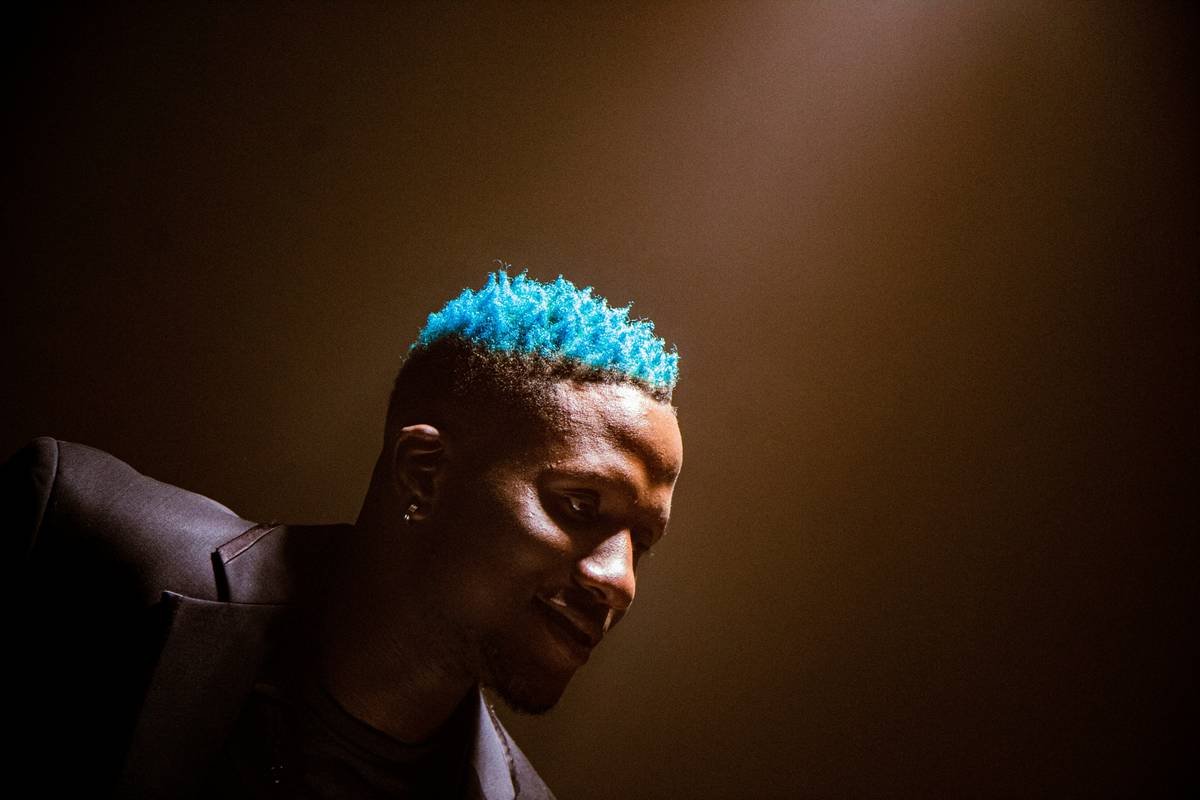
- Avoid silicone-heavy products if you have curly or coily hair. They coat strands and suppress natural curl pattern needed for textured spikes (think: Afro-punk styles).
- Sleep on silk. Cotton pillowcases cause friction frizz, undoing overnight. Silk preserves spike integrity.
TERRIBLE TIP DISCLAIMER: “Just use superglue—it holds forever!” Nope. Unless you enjoy chemical burns and emergency salon visits, keep adhesives away from your scalp. EVER.
Real Client Transformations: From Floppy to Fierce
Last summer, I worked with Maya, a 28-year-old barista with fine, straight Asian hair who’d given up on Spiky Looks after years of failure. Her routine? Drugstore gel + finger-combing + prayer.
We switched her to the 5-step method above, emphasizing root mousse and dual-product layering. Result? Her spikes held through NYC subway humidity, double shifts, and even a surprise thunderstorm. She’s now rocking asymmetrical spikes to work—no touch-ups needed.
In another case, Diego (curly Type 3B hair) wanted punk-inspired spikes without losing his natural coil definition. We skipped gels entirely and used a flaxseed gel blend with beeswax for pliable hold. His look? Bold, bouncy, and biologically respectful.
Rant Section: Why do influencers push “one product = instant spikes” lies? Because affiliate links pay more than honesty. Real styling takes nuance—not a single Amazon link masquerading as expertise.
Spiky Looks FAQ: Answered by a Certified Stylist
Can I achieve Spiky Looks with long hair?
Yes—but focus on the crown or front sections. Pull the rest into a low ponytail or bun to avoid overwhelming volume. Use texturizing spray on mid-lengths for separation.
Do Spiky Looks damage hair?
Not inherently—but poor technique does. Overuse of alcohol-based gels causes dryness. Daily backcombing without deep conditioning leads to breakage. Solution: clarify weekly, condition bi-weekly, and never sleep in heavy product.
What’s the best product for sensitive scalps?
Look for gels labeled “dermatologist-tested” with soothing ingredients like aloe vera or oat extract. Avoid SD alcohol 40, fragrance, and parabens. Brands like Vanicream and Free & Clear offer clinical-grade options.
How do I remove spiking product without stripping color?
Use a sulfate-free clarifying shampoo with apple cider vinegar (e.g., Malibu C Hard Water Wellness). Massage gently—no scrubbing—to dissolve buildup while preserving dye molecules.
Conclusion
Spiky Looks aren’t relics of the early 2000s—they’re bold, modern statements that demand respect (and the right technique). Forget the myths: lasting spikes come from understanding your hair’s biology, layering intelligently, and respecting the balance between hold and health.
Whether you’re channeling punk rebellion or minimalist edge, remember this: great Spiky Looks don’t defy gravity—they collaborate with it. Now go sculpt something fierce.
Like a Tamagotchi, your hairstyle needs daily attention—but unlike your digital pet, it won’t die if you skip a night. Probably.
Haiku:
Gel meets morning air,
Fingers lift defiant strands—
Wind bows to your will.