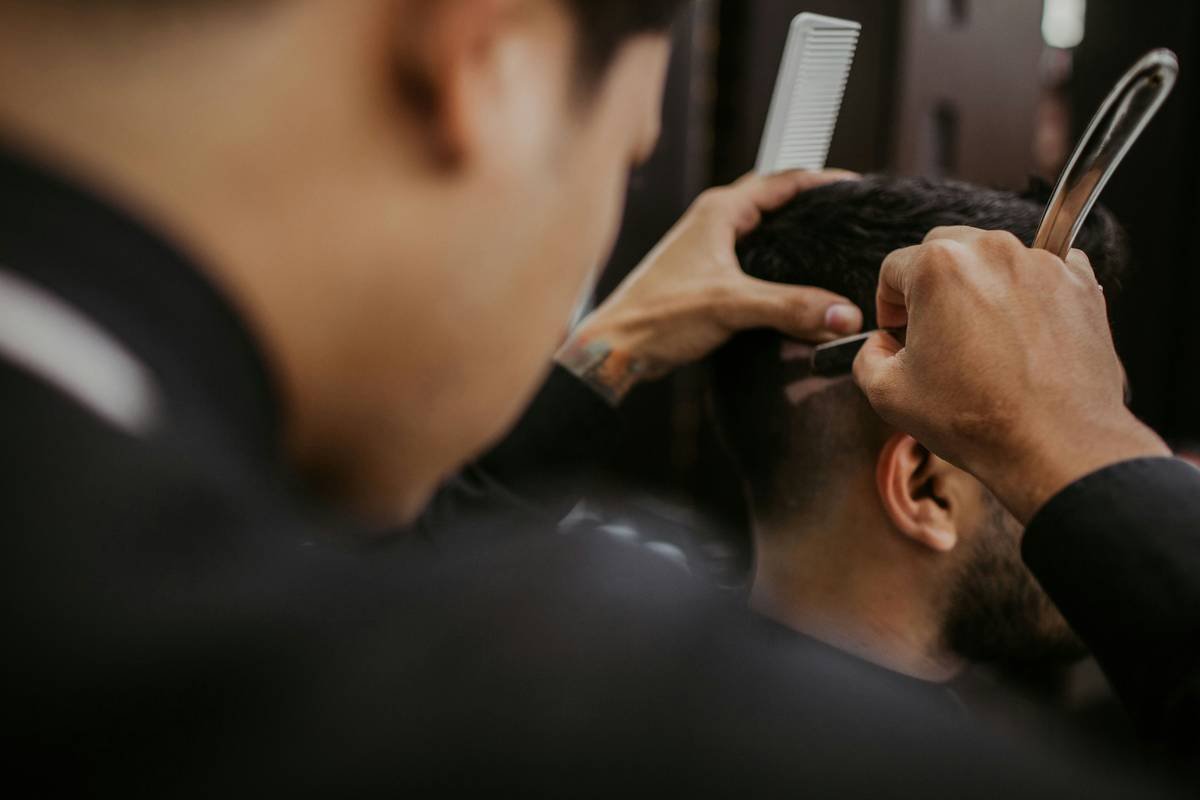
You spent hours perfecting those hair spikes—only to watch them collapse by noon. Humidity kills volume. Cheap gels leave residue. And most tutorials ignore the reality: without the right foundation cut, styling is wasted effort. Enter avant-garde cuts: asymmetrical, textured, and engineered for rebellion. They don’t just hold spikes—they amplify attitude.
Why Traditional Layered Cuts Fail for Hair Spikes
Standard salon layering assumes uniform weight distribution. It’s built for flow, not defiance. When you try to spike hair from a blunt or softly layered base, the strands lack directional tension. The result? Limp tufts that droop like overwatered succulents.
And here’s what no one tells you: product alone can’t fix structural weakness. You’re fighting physics. Gravity wins every time unless your haircut creates intentional lift zones.
Step-by-Step Guide to Spiking Success with avant-garde cuts
Select Your Spike Architecture
Not all spikes are created equal. Are you going for jagged urban shards? Or sculptural, gallery-ready geometry? Match your cut to your vision—not the other way around.
Prep Like a Pro (Skip This and Fail)
Wash with a clarifying shampoo 12 hours pre-style. Residue = slippage. Towel-dry aggressively—rough texture grips product better. Apply a pea-sized amount of matte clay to damp roots only. Not ends. Never ends.
The Cut That Holds: Key Zones Explained
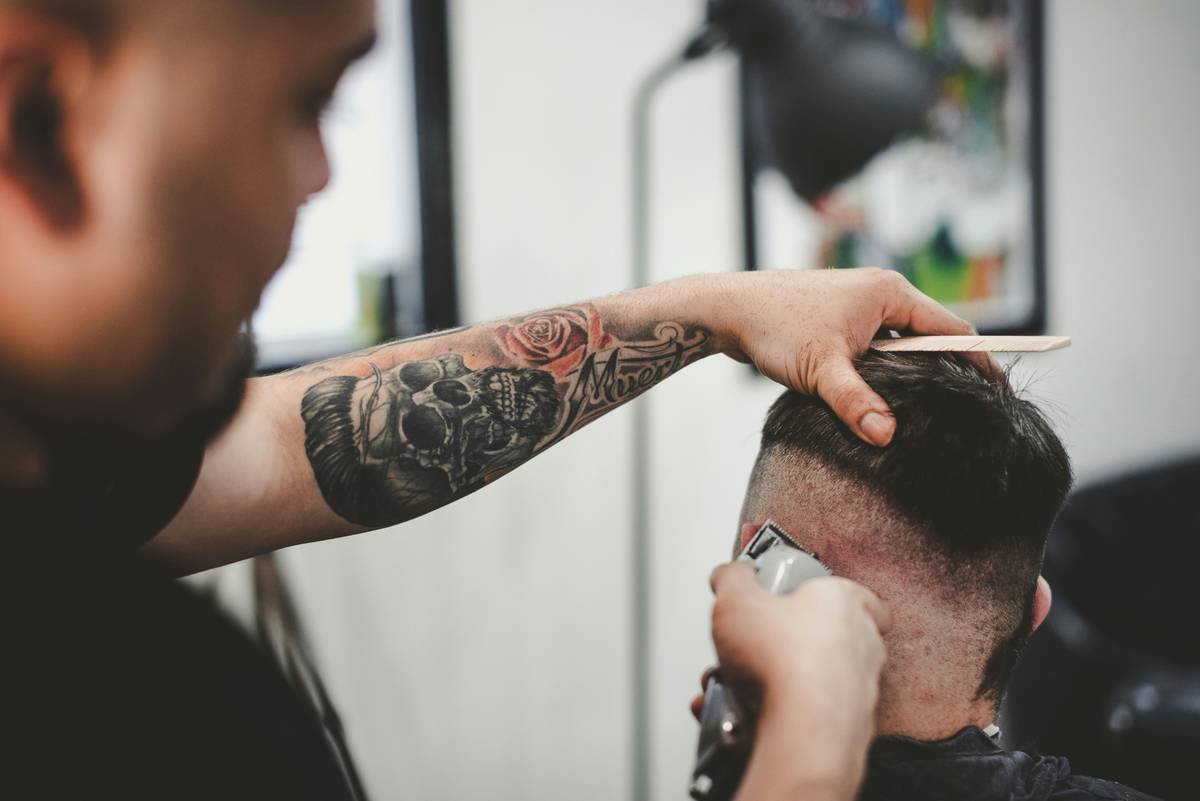
Avant-garde cuts prioritize negative space and elevation. The crown must be undercut slightly to reduce bulk, while the front section stays 2–3 inches long with razor-point tapering. This creates anchor points for vertical lift.
| Styling Method | Hold Duration | Best Hair Type | Cost (USD) |
|---|---|---|---|
| Matte Clay + Finger Teasing | 8–10 hrs | Fine to Medium | $12–$22 |
| Sugar Wax + Blow-Dry Lift | 12+ hrs | Thick, Coarse | $18–$30 |
| Hairspray Freeze + Backcombing | 6–8 hrs | Thin, Slippery | $8–$15 |
The Industry Secret Salon Stylists Won’t Share
Here’s the reality: most “edgy” cuts sold in mainstream salons are diluted for mass appeal. True avant-garde cuts require intentional imbalance—like leaving one temple longer than the other or shaving micro-patterns beneath surface layers. These hidden anchors give spikes unexpected dimension under stage lights or sunlight. I once watched a stylist in Berlin carve invisible channels into a client’s undercut so each spike caught wind like a sail. No product. Just architecture. The math is simple: if your cut looks “normal” when flat, it’ll never defy gravity when up.
Frequently Asked Questions
Can you get avant-garde cuts on curly hair?
Absolutely—but avoid thinning shears. Use point-cutting to preserve curl integrity while creating separation. Spikes emerge naturally from defined clumps.
How often should you trim for maintenance?
Every 4–5 weeks. Avant-garde cuts rely on precise length contrast. Let it grow out two weeks too long and your spikes turn into confused tufts.
Do spikes damage hair long-term?
Only if you yank them daily with high-alcohol gels. Use sulfate-free cleansers and weekly protein masks. Healthy hair holds shape better anyway.