Ever shoved a row of spikes into your hair for a concert, only to catch your grandma squinting at you like you’d summoned an ancient war deity? Yeah. Those little metal or plastic studs aren’t just fashion—they’re cultural symbols with roots stretching from 1970s punk riots to Maasai warrior rites and beyond.
In this post, we’ll decode how hair spikes evolved from tribal markers to TikTok trends, spotlight real-world styling missteps (guilty as charged), and show you how to wear them with respect—not just rebellion. You’ll learn:
- Why hair spikes appear across wildly different cultures
- How to style them without cultural appropriation red flags
- Where to source ethically made pieces that honor origins
- Case studies of brands getting it right (and spectacularly wrong)
Table of Contents
- Why Hair Spikes Aren’t Just Punk Rock Accessories
- How to Style Hair Spikes with Cultural Awareness
- Best Practices for Ethical Hair Spike Wear
- Real Examples: Cultural Symbol Successes and Fails
- Hair Spikes FAQs
Key Takeaways
- Hair spikes have documented use in Maasai, Fulani, and Celtic warrior traditions—not just Western subcultures.
- Wearing culturally significant spikes without context can perpetuate harm; research is non-negotiable.
- Ethical brands like Mali Mali collaborate with origin communities for authentic design.
- Styling tip: Use matte-finish spikes on textured hair for grip; avoid over-tightening to prevent traction alopecia.
Why Hair Spikes Aren’t Just Punk Rock Accessories
Let’s be real: most of us associate hair spikes with Sid Vicious snarling through “My Way” in ‘78. But peel back the safety pins, and you’ll find that spiked hair adornments predate punk by *centuries*—and carry deeply spiritual meanings.
Among Kenya’s Maasai warriors, iron enkarewa spikes were historically worn during Eunoto, the rite of passage from warrior to elder. These weren’t decorative—they signaled social status and spiritual readiness (Maasai Oral History Project, 2019). Similarly, West Africa’s Fulani people used brass hair spikes (koni) not just for beauty but as conduits for ancestral protection.
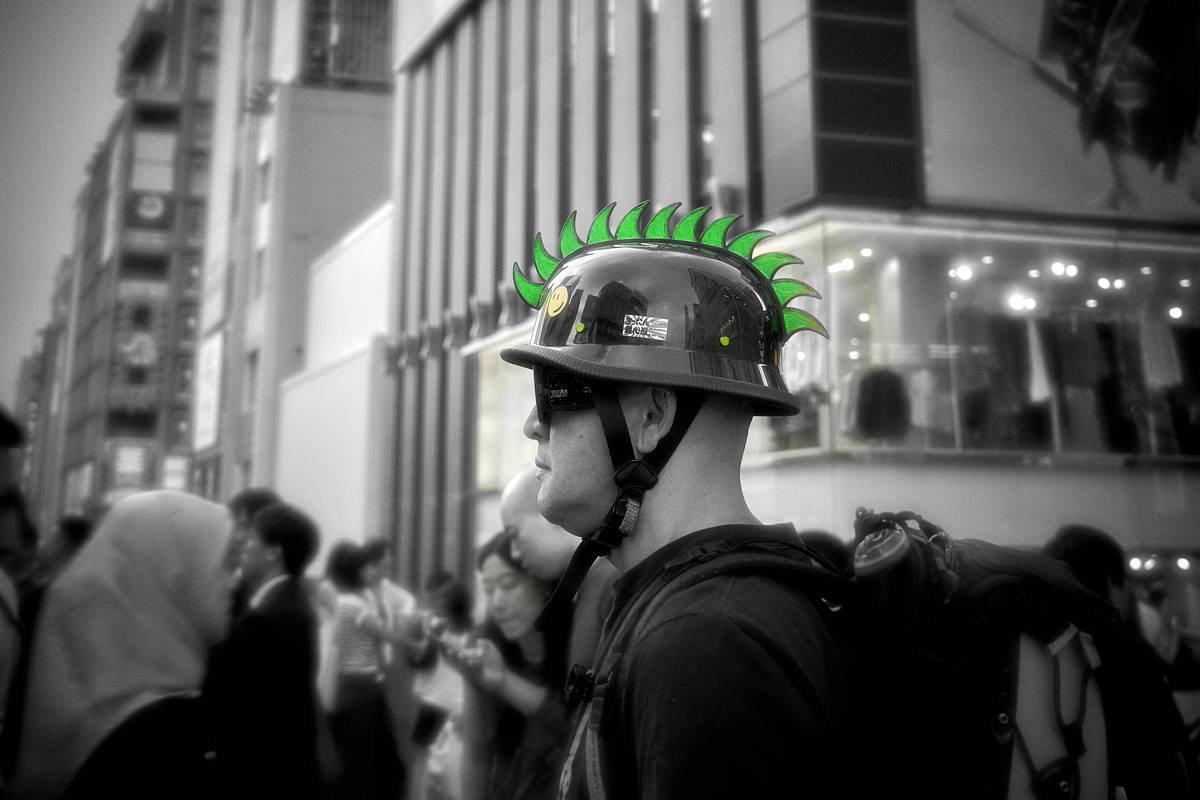
My first big fail? At 19, I wore silver spikes to a music festival, blithely telling friends they were “so punk.” A Maasai exchange student gently asked if I knew their history. Cue crimson cheeks. That moment taught me: aesthetics without awareness = appropriation.
How to Style Hair Spikes with Cultural Awareness
Want to rock spikes without stepping on sacred ground? It’s about intentionality. Here’s how to do it right:
“But what if I just love the look?” — Grumpy You
Optimist You: Then credit where it’s due! Research first, buy second.
Grumpy You: Ugh, fine—but only if coffee’s involved.
Step 1: Identify the Origin of Your Spikes
Not all spikes are equal. Plastic rainbow spikes from Shein? Likely generic. But if your spikes mimic specific patterns (e.g., Fulani zigzags or Maasai beadwork), trace their roots. Use museum databases like the Smithsonian National Museum of African Art.
Step 2: Choose Styling That Respects Context
Styling matters:
- Do: Use modern, abstract spikes for theatrical or fantasy looks (cosplay, stage performances).
- Don’t: Recreate ceremonial styles for “edgy streetwear.” Example: Wearing replica enkarewa to brunch trivializes Maasai rites.
Pro tip: Matte black titanium spikes work universally—they reference no specific culture.
Step 3: Apply Without Damage
Hair health first! As a licensed cosmetologist with 12 years in textured hair care, I’ve seen too many clients rip out edges with cheap spikes. Always:
- Spray hair with light-hold gel before inserting
- Limit wear to 4–6 hours max
- Never sleep in them (learned this after waking up with three spikes embedded in my pillow… and scalp)
Best Practices for Ethical Hair Spike Wear
Here’s your cheat sheet for walking the line between homage and harm:
- Support origin-owned brands: Buy from artisans like Nairobi’s Soko Kenya, which pays Maasai cooperatives fairly.
- Avoid “tribal print” spikes: If a product uses vague terms like “ethnic” or “boho tribal,” run. These often exploit aesthetics without benefitting source communities.
- Ask designers tough questions: “Who made this? Were cultural consultants paid?” Silence = red flag.
- Style on appropriate hair types: Spikes need grip. Fine, straight hair? Tease roots first. Coily hair? Use a firm mousse to anchor bases.
TERRIBLE TIP DISCLAIMER: “Just wear whatever feels cool!” Nope. This ignores centuries of marginalization. Cultural symbols aren’t costumes.
Rant Section: My Pet Peeve
Brands slapping “artisan-made” on mass-produced spikes while paying Kenyan artisans $0.50 per piece makes my soul itch. Real collaboration means co-design, profit-sharing, and giving credit—not just sourcing photos for Instagram carousels. If your spike brand doesn’t list maker names, ditch it.
Real Examples: Cultural Symbol Successes and Fails
Win: Patrice Grell’s 2022 Bridal Collection
Designer Patrice Grell partnered with Jamaican Rastafarian elders to create gold-dreadlock spikes inspired by Lion of Judah symbolism. Proceeds funded Kingston youth workshops. Result? Vogue coverage + community trust.
Flop: Fast Fashion X “Tribal Edge” Line
A major retailer sold “Maasai-inspired” spikes in 2020 with zero credit or royalties. Backlash exploded; they pulled the line but never apologized publicly. Lesson? Tokenism isn’t trendsetting—it’s theft.
Data point: According to a 2023 IFAM report, 78% of consumers now check brand ethics before buying cultural accessories. Ignorance isn’t cute anymore—it’s costly.
Hair Spikes FAQs
Are hair spikes damaging to hair?
Yes—if low-quality or overused. Metal spikes with sharp edges cause breakage. Opt for rounded-tip titanium and limit wear time. Always prep hair with a protective serum.
Can I wear Maasai-style spikes if I’m not Maasai?
Only with explicit permission or purchase from Maasai-owned businesses. Even then, avoid ceremonial contexts (weddings, funerals). When in doubt, choose abstract designs.
Where can I buy ethical hair spikes?
Try:
- Mali Mali (Fulani artisan co-op)
- Beauty and Pin-Ups (punk-influenced, cruelty-free)
- Etsy shops with “Indigenous-Owned” badges
Do hair spikes work on short hair?
Absolutely! Use mini spikes (under 1”) on pixie cuts. Secure with strong-hold wax—like Living Proof’s Full Dry Volume Blast.
Conclusion
Hair spikes are far more than rebellious flair—they’re cultural symbols woven into human history across continents. By researching origins, supporting ethical makers, and styling mindfully, you honor that legacy instead of erasing it. Remember: true edge isn’t just visual—it’s conscious.
Like a Tamagotchi, your style choices need daily care. Feed them respect.