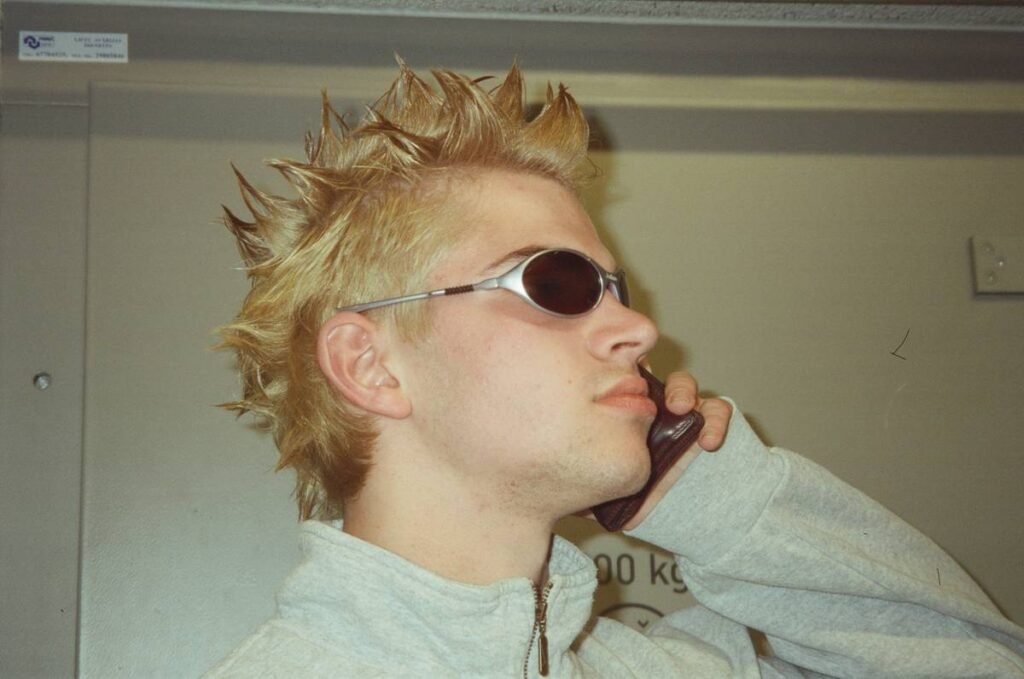
Most guys trying textured spikes end up with stiff, helmet-like hair by noon—or worse, greasy clumps that scream “desperate.” The frustration is real. You’ve bought the gels, watched endless tutorials, and still can’t hold that rebellious lift without looking like a rejected extra from a 90s boy band. Here’s the fix: forget everything you know about traditional styling. True textured spikes thrive on controlled chaos—not product overload.
Why Your Current Routine Kills Texture (Not Creates It)
Conventional styling relies on high-hold gels or waxes that glue every strand in place. That kills movement. And texture isn’t just height—it’s dimension, separation, and a lived-in roughness. Overloading product flattens the cuticle, seals out air, and suffocates volume at the root. You’re not styling—you’re embalming.
And humidity? It turns those rigid spikes into a sticky mess within hours. The math is simple: more product ≠ more control. It equals more weight pulling your spikes down.
How to Build Real Textured Spikes—Without Looking Like a Wax Figure
Start with second-day hair. Clean hair slips; slightly dirty hair grips. If you must wash, use a texturizing shampoo—no sulfates, no silicone.
Prep Like a Pro (Not a Novice)
Towel-dry aggressively. Scrunch, don’t smooth. Then hit roots with a sea salt spray while hair’s still damp. Not drenched—just enough to create microscopic friction between strands.
Blow-Dry for Architecture, Not Polish
Flip your head upside down. Use a concentrator nozzle on medium heat, lifting sections with your fingers—not a brush. Direct airflow upward to set vertical memory into the roots. This is non-negotiable. Airflow direction dictates spike integrity.
Product Application: Less Is More (Way Less)
Take a pea-sized amount of matte paste—oil-free, water-soluble—and warm it between palms. Apply only to mid-lengths and ends. Never the scalp. Work upward with fingertips, pinching small clusters to encourage natural separation. Let gravity help; don’t force symmetry.
The Hold Test
Your spikes should move when you shake your head—not collapse, but sway. If they snap back like plastic, you used too much product. Real texture breathes.
| Method | Hold Duration | Natural Look? | Scalp Health Impact |
|---|---|---|---|
| High-shine gel + comb | 2–4 hours | No (wet-look finish) | High residue buildup |
| Matte clay on dry hair | 5–7 hours | Medium (can look dusty) | Moderate flaking |
| Sea salt spray + blow-dry + matte paste | 8+ hours | Yes (lived-in texture) | Minimal—water-soluble formula |

The Industry Secret: Texture Lives in the Negative Space
Top session stylists won’t tell you this—but it’s not about what you add. It’s about what you leave out. The magic of textured spikes happens in the gaps between strands. When you over-pack product, you eliminate those micro-pockets of air that catch light and create depth. Real edge comes from asymmetry: one side slightly lower, a few loose ends escaping. Perfection is the enemy. Embrace unevenness—it reads as confidence, not carelessness.
And here’s the kicker: humidity can actually enhance texture if your base is right. Salt-based preps react subtly with moisture in the air, reactivating grip without goopiness. Most guys fight humidity—they should be leveraging it.
Frequently Asked Questions
Can I get textured spikes with fine hair?
Yes—if you skip heavy products. Fine hair needs lightweight sea salt sprays and fiber-based pastes that cling without weighing down. Volume starts at the root, not the tip.
How do I refresh textured spikes during the day?
Dab a drop of water on your palms, rub lightly over surface spikes, then pinch clusters back into shape. No reapplying product—that’s how build-up begins.
Are textured spikes damaging to hair?
Only if you use alcohol-heavy gels or rip through tangles daily. With sulfate-free cleansing and water-soluble styling, your hair stays resilient. Tension, not spikes, causes breakage.