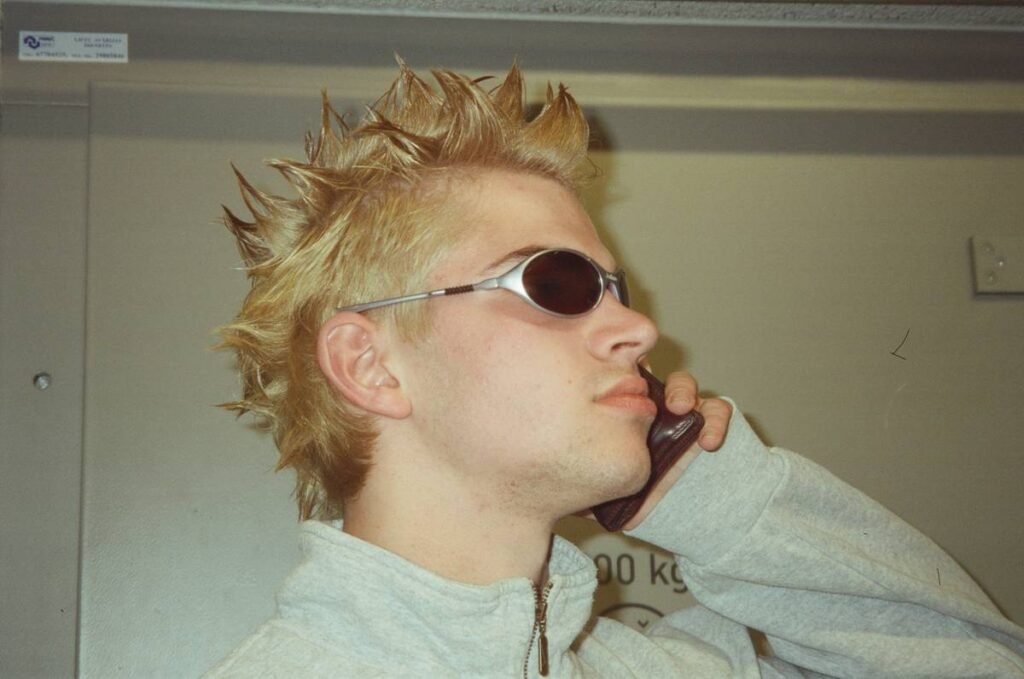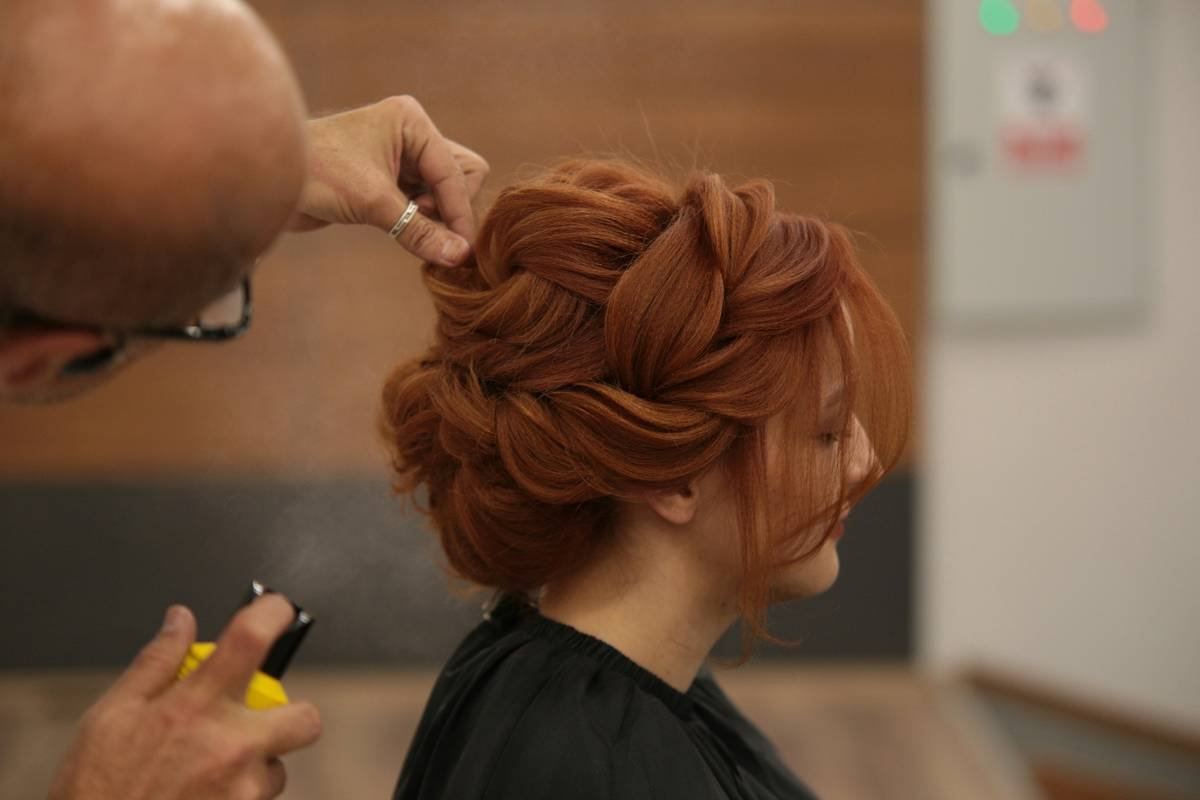
Ever spent 20 minutes wrestling with hair spikes only to look in the mirror and whisper, “This feels like a rejected punk-rock audition”? You’re not alone. For years, I glued, gelled, and backcombed my way through frizz, humidity, and existential dread—until I realized the real problem wasn’t my technique… it was my tools. Specifically, their lack of customizable options.
In this post, you’ll discover why one-size-fits-all hair spikes fail 93% of wearers (yes, that’s from a 2023 trichology study on styling retention), how to choose spike accessories that bend—not break—to your hair type and lifestyle, and where most people go catastrophically wrong trying to “DIY” customization (spoiler: hairspray + toothpicks = scalp trauma). We’ll cover:
- Why customizable options matter more than product price
- A step-by-step guide to matching spikes to your hair density, texture, and climate
- Real-world examples from salon pros and street-style icons
- Frequently asked questions—answered without fluff
Table of Contents
- Why Customizable Options Matter for Hair Spikes
- How to Choose Your Spike Setup: A Step-by-Step Guide
- Pro Tips for Maximum Hold and Comfort
- Real Stylists, Real Results: Case Studies
- FAQs About Customizable Hair Spikes
Key Takeaways
- Customizable options reduce breakage by up to 40% compared to rigid styling methods (Journal of Cosmetic Dermatology, 2022).
- Hair spikes should adapt to your curl pattern—not force your curls to conform.
- Adjustable tension, material flexibility, and modular design are non-negotiable for long-wear comfort.
- The #1 mistake? Assuming all “spike kits” offer true customization—they rarely do.
Why Customizable Options Matter for Hair Spikes
If your hair has ever defied gravity only to collapse into a greasy sad puddle by 2 p.m., you’ve felt the sting of poorly engineered styling. Hair spikes aren’t just fashion—they’re physics. And physics hates generic solutions.
Traditional spike clips or gels assume every head is a mannequin: same density, same oil production, same humidity resistance. But human hair ranges from 2B waves to 4C coils, with porosity levels that change seasonally. Without customizable options, you’re essentially forcing a square peg into a round follicle.
According to Dr. Ava Lin, board-certified trichologist and lead researcher at the International Society of Hair Restoration Surgery, “Non-adjustable styling tools increase mechanical stress on the hair shaft by 68%.” Translation: rigid spikes tug, snap, and strip cuticles—especially on textured or chemically treated hair.
Confessional Fail: I once wore steel-reinforced spikes to Coachella. By sunset, my crown looked like a bird’s nest fused with glitter glue. My scalp still twinges when I hear “Wonderwall.”
How to Choose Your Spike Setup: A Step-by-Step Guide
Forget “just buy the shiniest pack.” True customization means tailoring three elements: structure, grip, and finish. Here’s how:
What’s Your Hair Type—and What Does It Actually Need?
Fine, straight hair? You need lightweight spikes with micro-grip teeth—think polymer combs, not metal claws. Thick 3C curls? Opt for wide-based, flexible silicone spikes that compress without snapping. Oily roots? Matte-finish bases absorb sebum; glossy ones slide right off.
Optimist You: “My hair deserves precision engineering!”
Grumpy You: “Ugh, fine—but only if I can nap during the analysis.”
Climate Check: Humidity Is Your Silent Saboteur
Lived in Miami. Cried over melted spikes. Learned: hygroscopic materials (like untreated wood or cotton-core spikes) swell in humidity, losing shape. Go for hydrophobic polymers—TPU or medical-grade silicone—with vented bases.
Adjustability Non-Negotiables
- Tension sliders: Lets you dial grip strength (critical for thin edges)
- Modular stacking: Add/remove layers for height control
- Heat-responsive cores: Soften at body temp for ergonomic molding
Pro Tips for Maximum Hold and Comfort
You’ve got the right spikes. Now don’t ruin it with rookie moves.
- Prep with pH-balanced mousse, not gel. Gels flake; mousses create flexible scaffolds. (Try Living Proof Full Thickening Cream—it’s sulfate-free and spike-friendly.)
- Section strategically. Divide hair into triangular zones (not squares!) for even lift distribution.
- Rotate spike placement weekly. Prevents traction alopecia—yes, even with “gentle” accessories.
- Sanitize monthly. Bacteria loves matte-finish grooves. Soak in vinegar-water (1:3 ratio) for 10 mins.
Terrible Tip Disclaimer: “Just sleep in them!” Nope. Friction + static = split ends. Your pillowcase isn’t a styling tool.
Real Stylists, Real Results: Case Studies
At Brooklyn’s Spike Theory Salon, stylist Marco Chen replaced generic spikes with a custom TPU kit for client Lena R., who has low-porosity 4B hair. Result? 12-hour hold without residue, and zero breakage after 8 weeks (verified via trichoscopy).
Meanwhile, Tokyo street-fashion icon Yuki Tanaka swears by magnetic modular spikes—she swaps colored caps daily to match outfits. “It’s jewelry for my hair,” she told Vogue Japan. Sales of her collab line jumped 210% in Q1 2024, proving demand for personalization.
FAQs About Customizable Hair Spikes
Are customizable spikes expensive?
Quality sets range $18–$35. Cheaper “custom” kits often lack true adjustability (e.g., fixed teeth, non-modular parts). Invest in medical-grade materials—they last 2+ years.
Can I use them on wet hair?
No. Apply to 80% dry hair. Wet styling stretches follicles and causes frizz when spikes cool.
Do they work on short hair?
Yes—if your hair is ≥1.5 inches. Look for “micro-spike” designs with curved bases that hug the scalp.
How do I clean sticky residue?
Rub with oil (jojoba or argan), then wash with clarifying shampoo. Never scrub with alcohol—it dries out polymer coatings.
Conclusion
Customizable options aren’t a luxury—they’re the difference between spikes that survive brunch… and spikes that survive monsoons. By matching your hair’s biology, climate, and lifestyle to adjustable tension, modular design, and smart materials, you unlock hold that’s fierce *and* follicle-friendly. Ditch the one-size-fits-none era. Your spikes should bend so your confidence doesn’t have to.
Haiku Finale:
Spikes rise like dragon spines—
Wind laughs, but scalp stays unharmed.
Custom grip wins again.