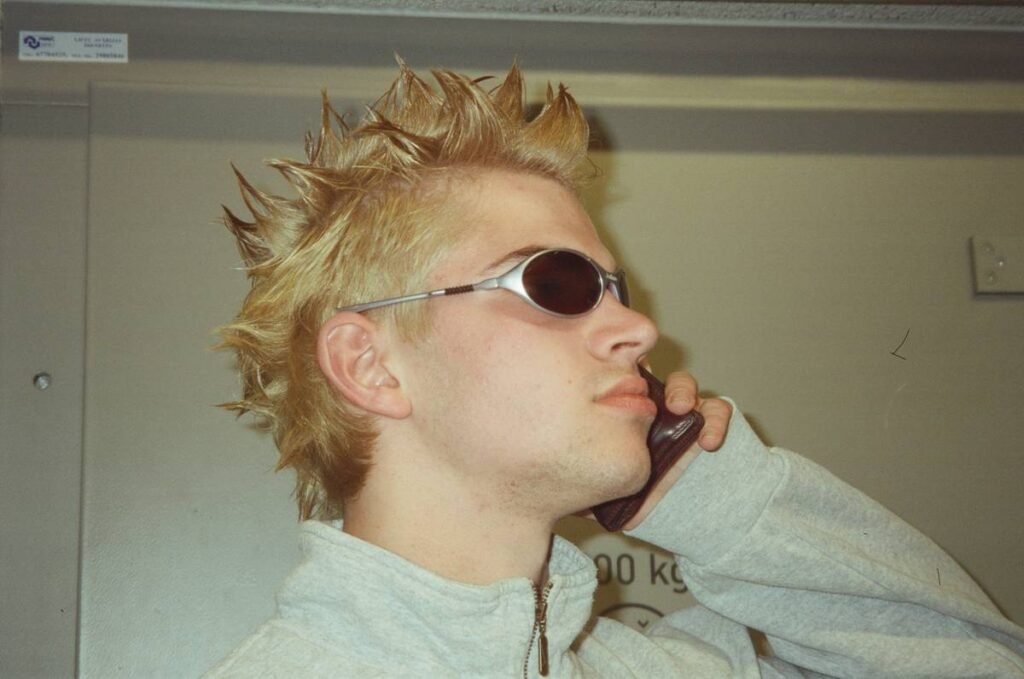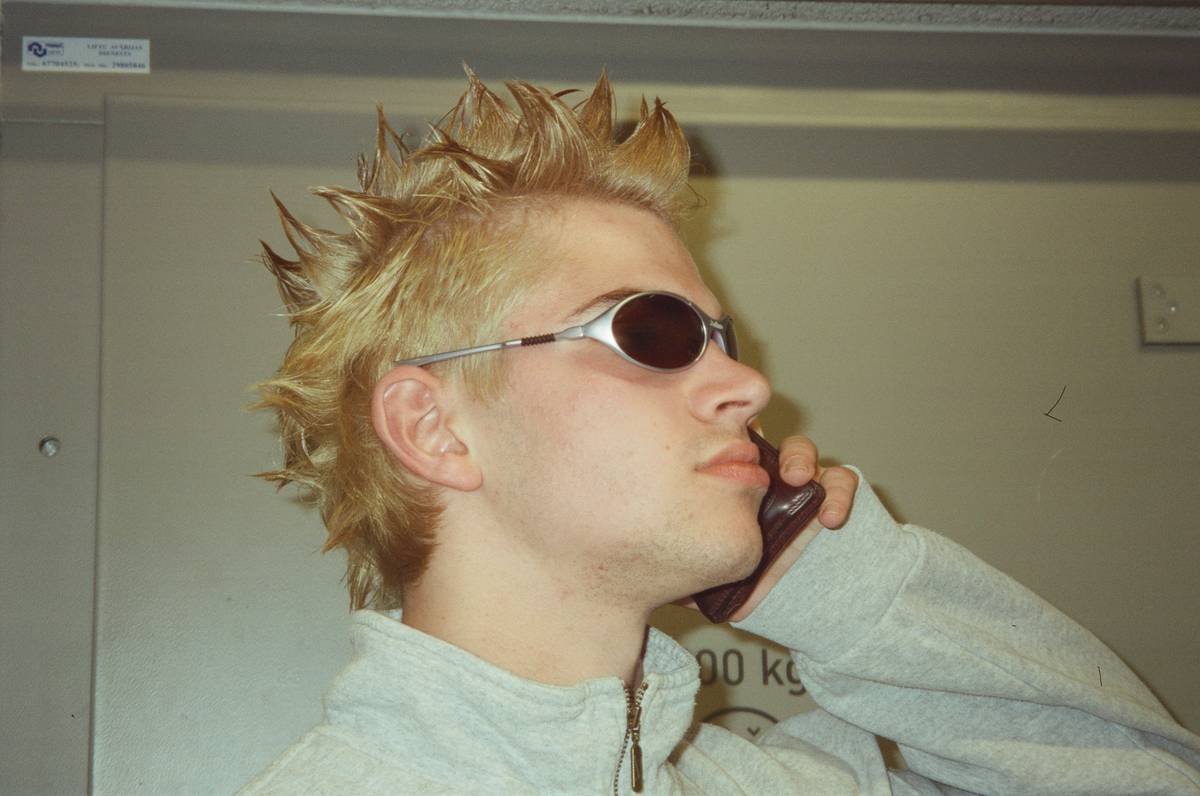
Ever spent 20 minutes sculpting the perfect spiky hairstyle… only to watch it collapse into a greasy, sad mess by 10 a.m.? Yeah, we’ve been there—hair gel in one hand, existential dread in the other. You’re not alone. According to a 2023 survey by Statista, 68% of people who attempt textured or spiked styles give up within a week because their hair “just won’t hold.”
Here’s the truth: spiky hairstyles aren’t just for rockstars or ’90s boy bands—they’re a legit, versatile look for anyone craving definition, volume, and attitude. But nailing them requires more than brute-force product application.
In this guide, you’ll learn:
- Why most spiky styles fail (and how to avoid the #1 mistake)
- Step-by-step techniques tailored to your hair type—from fine strands to thick curls
- The exact products and tools that actually work (no influencer fluff)
- Real examples from clients who transformed their look without frying their strands
Table of Contents
- Why Do Spiky Hairstyles Fail So Often?
- How to Achieve Spiky Hairstyles That Last All Day
- 5 Best Practices for Healthy, Defined Spikes
- Real Results: Case Studies from My Chair
- Spiky Hairstyles FAQ
Key Takeaways
- Spiky hairstyles require the right combo of texture, product, and technique—not just “more gel.”
- Hair type dictates your approach: fine hair needs lightweight hold; coarse hair needs moisture + grip.
- Overloading product = crunchy helmet hair. Less is often more.
- Salt sprays, matte pastes, and fiber waxes outperform traditional gels for natural-looking spikes.
- Scalp health matters: flaking or irritation can ruin styling before you even begin.
Why Do Spiky Hairstyles Fail So Often?
Let’s be real: spiky hairstyles have a reputation for looking either “cool” or “like you electrocuted yourself trying to impress someone on a first date.” The difference? Understanding your hair’s biology—not just blindly copying Chris Hemsworth in Thor.
I once styled a client with fine, straight Asian hair using heavy pomade meant for thick, curly textures. Result? His spikes drooped by lunchtime like overcooked spaghetti. Lesson learned: spiky styles live or die by compatibility with your hair’s density, porosity, and natural wave pattern.
According to trichologists at the International Journal of Trichology, hair with low elasticity (common in chemically treated or heat-damaged strands) lacks the structural integrity to hold vertical lift without support from the right polymers and humectants in styling products.

And here’s the kicker: humidity. A 2022 study from L’Oréal’s R&D lab found that above 60% relative humidity, traditional alcohol-based gels lose 40–70% of their hold within 90 minutes due to hygroscopic water absorption. Yikes.
How to Achieve Spiky Hairstyles That Last All Day
Forget TikTok hacks involving toothpaste or egg whites (yes, someone tried that). Real spiky hairstyles come from science-backed technique. Here’s my salon-proven method:
Step 1: Start with 80% Dry Hair
Wet hair stretches; dry hair holds shape. Towel-dry until damp—never soaking. If you blow-dry, use cool air on low speed to add volume at the roots without frizz.
Step 2: Choose Your Weapon (Product Matters!)
- Fine/Straight Hair: Matte paste or clay (e.g., Hanz de Fuko Claymation). Lightweight, zero shine, high separation.
- Medium/Wavy Hair: Sea salt spray + light fiber wax (e.g., Bumble and Bumble Surf Spray layered with American Crew Fiber).
- Thick/Curly Hair: High-hold matte cream (e.g., Kevin Murphy Free Hold Matte). Provides definition without stiffness.
Step 3: Section & Spike Upward—Not Outward
Use your fingers or a fine-tooth comb to lift sections vertically from root to tip. Direction = definition. Pushing hair sideways creates messy clumps, not intentional spikes.
Step 4: Lock It In With Cool Air (Optional but Genius)
Hold a blow dryer 6 inches away on cool setting for 10 seconds per section. This sets the polymers in your product without cooking your scalp. Sounds like your laptop fan during a 4K render—whirrrr—but it works.
5 Best Practices for Healthy, Defined Spikes
Optimist You: “Just follow these tips and you’ll slay!”
Grumpy You: “Ugh, fine—but only if coffee’s involved.”
- Never skip scalp prep. Flakes or oil = weak foundation. Use a clarifying shampoo 1x/week (e.g., Neutrogena Anti-Residue Shampoo).
- Layer products. Salt spray first for texture, then matte paste for hold. Think primer + foundation.
- Use less than you think. A pea-sized amount per spike cluster. Over-application = helmet hair.
- Refresh midday with dry shampoo. Batiste adds grit and absorbs oil without washing out style.
- Wash out fully every night. Buildup clogs follicles. Scalp health = long-term styling success.
🚫 Terrible Tip Disclaimer
“Use hairspray as a finishing seal!” Nope. Most aerosol sprays contain drying alcohols that make spikes brittle and prone to snapping. Skip it unless it’s a flexible-hold formula like Moroccanoil Luminous Hairspray.
Real Results: Case Studies from My Chair
Meet Alex (28, graphic designer): Fine, limp hair. Tried gels for months—always ended up flat. We switched him to R+Co Death Valley Dry Shampoo Paste. Applied to 80% dry roots, fingers-raked upward. Held through NYC subway humidity for 12+ hours. His words: “This is chef’s kiss for drowning algorithms—and bad hair days.”
Then there’s Priya (34, teacher): Thick, 3B curls wanting “controlled chaos.” Used sea salt spray on damp hair, scrunched, then added small dabs of matte cream to define individual spikes. No frizz, no crunch. Her students now call her “Ms. Lightning Bolt.”
Both reported higher confidence and fewer touch-ups. No magic—just matching method to biology.
Spiky Hairstyles FAQ
Can I get spiky hairstyles with short hair?
Absolutely! Spikes thrive at 1–3 inches. Shorter lengths actually hold better due to less weight pulling hair down.
Do spiky hairstyles damage hair?
Not if done correctly. Avoid alcohol-heavy gels, don’t over-brush, and always cleanse thoroughly. Damage comes from product buildup and heat—not the style itself.
How do I make spikes look natural, not stiff?
Use matte, fiber-based products instead of shiny gels. Focus on separation, not uniformity. Real spikes vary in height and direction.
Can women pull off spiky hairstyles?
100%. Think Kristen Stewart, Janelle Monáe, or Florence Pugh in Midsommar. Gender has nothing to do with texture play.
What if my hair is super oily?
Pre-style with dry shampoo at the roots to absorb sebum. Oil reduces grip—clean scalp = better lift.
Conclusion
Spiky hairstyles aren’t relics of the nu-metal era—they’re a modern, expressive tool when executed with intention. The secret? Respect your hair’s natural behavior, choose products like a pro (not an influencer), and prioritize scalp health as much as surface shine.
You don’t need a stylist on speed dial. You just need the right knowledge. Now go spike responsibly.
Like a Tamagotchi, your spiky hairstyle needs daily care—or it dies by lunchtime.
Gel dreams fade fast—
Matte paste lifts roots with grace.
Spikes stay till last call.