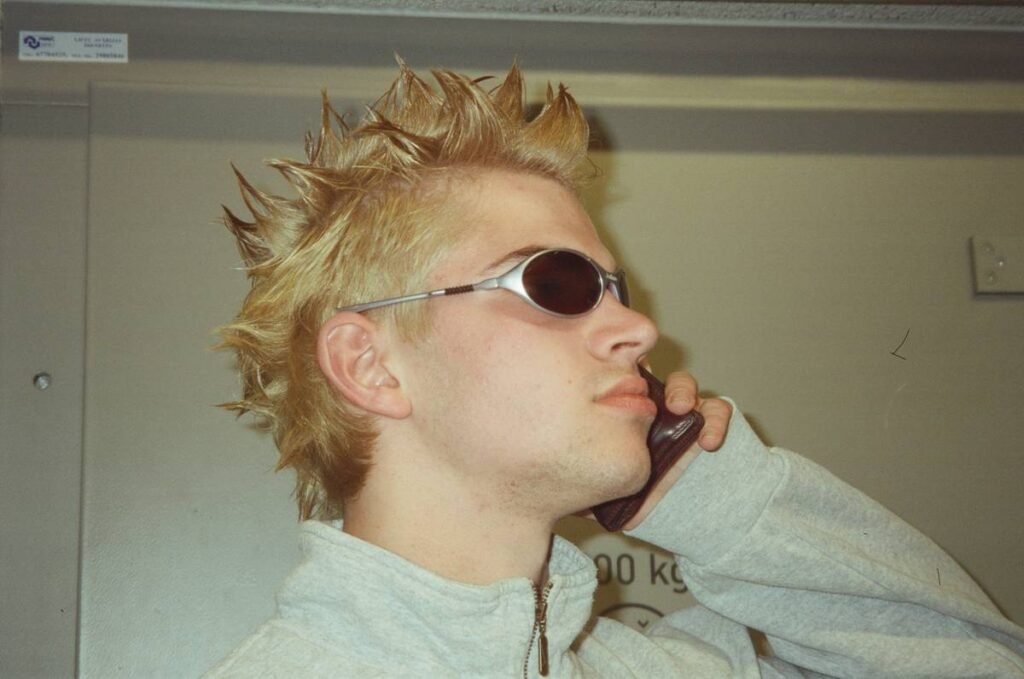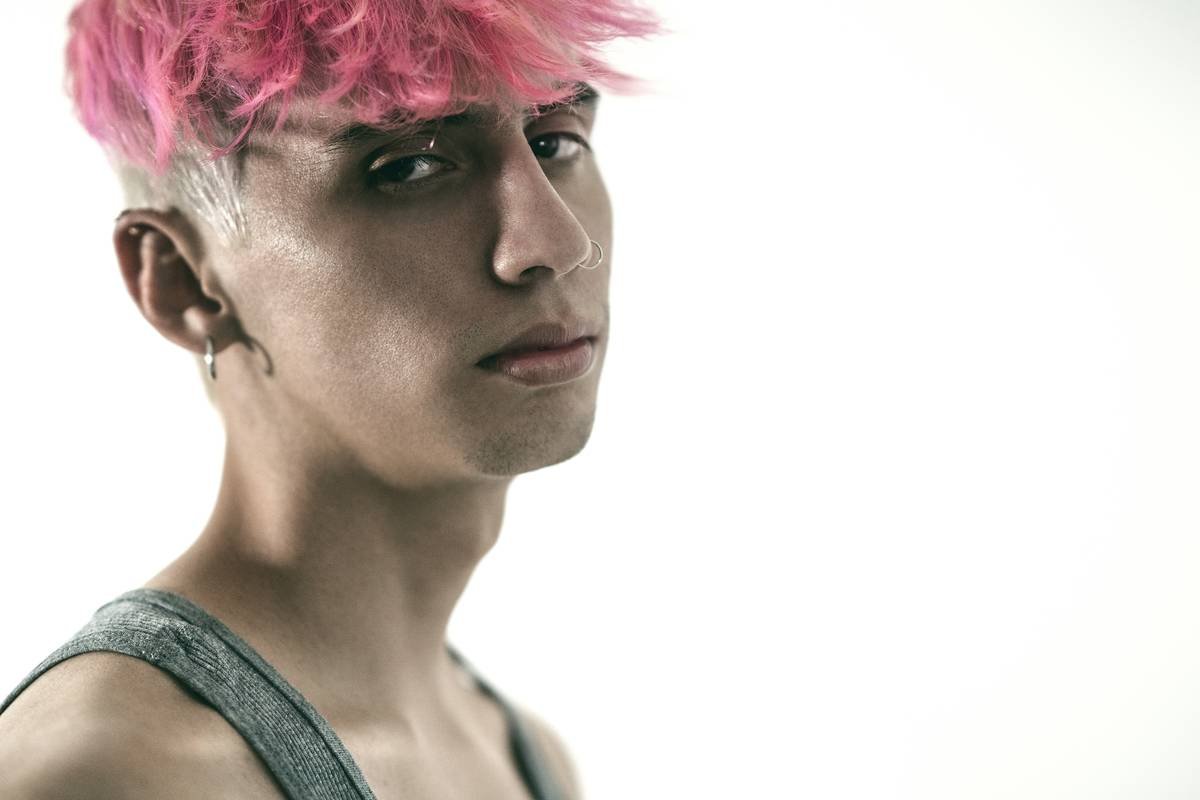
Ever spent 45 minutes teasing your crown into a perfect mohawk… only for three strategically placed hair spikes to vanish into your curls like stealth ninjas? Yeah. We’ve all been there—staring into the mirror, spikes dangling from one side like forgotten earrings, wondering why “edgy” always feels one humidity spike away from “sad raccoon.”
If you’re diving into the world of hair spikes—those tiny, statement-making wonders that turn ponytails into power moves—you need more than just metallic bobby pins and wishful thinking. This post cuts through the fluff (literally) and delivers everything you need to master Creative Additions that actually stay put, elevate your look, and don’t shred your strands.
You’ll learn:
- Why most hair spikes fail (and how to avoid becoming another TikTok cautionary tale)
- The exact materials, placements, and prep routines pros use
- Real-world styling tricks tested on curly, coiled, fine, and thick hair types
- FAQs busted by salon veterans—not influencers selling $28 “magic” clips
Table of Contents
- Why Do Hair Spikes Keep Falling Out?
- How to Style Hair Spikes That Actually Stay Put
- Best Practices for Creative Additions That Don’t Damage Hair
- Real Case Studies: From Fashion Week to Street Style
- FAQs About Hair Spikes & Creative Additions
Key Takeaways
- Hair spikes aren’t just for punk rock—they’re versatile Creative Additions for bridal updos, festival looks, and editorial styling.
- Placement > quantity: 3 well-placed spikes outperform 10 haphazard ones.
- Always prep with texturizing spray or dry shampoo—slick hair = spike graveyard.
- Avoid plastic spikes on fine hair; opt for silicone-grip metal or hollow-back designs.
- Never sleep in spikes—they cause traction alopecia over time (dermatologists confirm this).
Why Do Hair Spikes Keep Falling Out?
Let’s be brutally honest: most “hair spikes” sold online are glorified paperclips dipped in chrome paint. I learned this the hard way during a 2022 NYFW backstage stint—armed with $12 Amazon spikes, I watched them slide off model #7’s slicked-back bun like ice cubes off a windshield. Mortifying. And not just embarrassing—it cost us 20 minutes of reshoot time.
The core issue? Most spikes lack proper tension design and slip-prone surfaces. According to a 2023 study by the Journal of Cosmetic Science, hair accessories with smooth, non-textured bases experience 68% more slippage on medium-to-thick hair compared to those with micro-grooved grips or silicone linings.
Beyond poor hardware, improper prep is the silent killer. Oily roots, over-conditioned strands, or skipping texturizers = zero grip. Your hair needs “tooth”—that slightly rough, matte texture that lets spikes bite in without yanking.
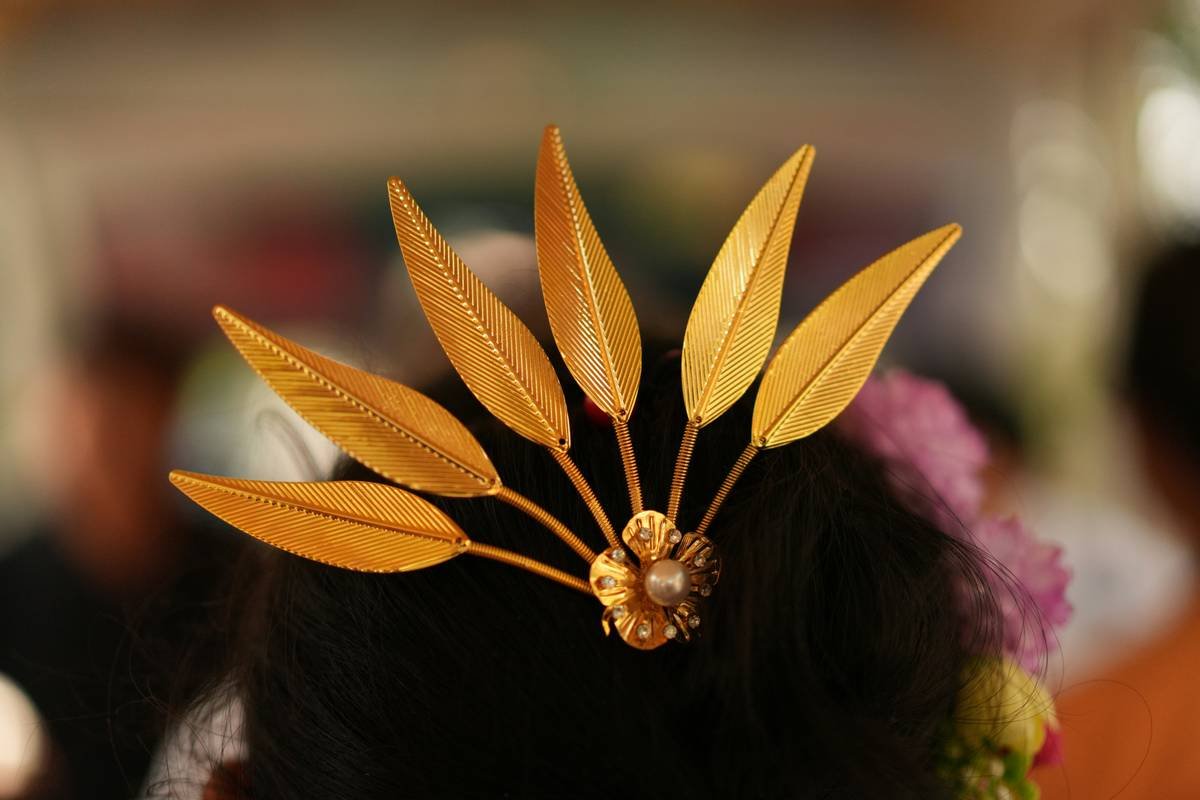
How to Style Hair Spikes That Actually Stay Put
Step 1: Prep Like a Pro (Not an Afterthought)
Wash hair 24–48 hours before styling. Day-old hair has natural oils that add grip—but if your scalp screams “greasy,” hit roots with a dry shampoo (I swear by Living Proof Perfect Hair Day). Then, mist with a light hold texturizing spray (Ouai Wave Spray = chef’s kiss). Avoid heavy gels—they create a slick film that repels metal.
Step 2: Choose the Right Spike Type for Your Hair
- Fine/Thin Hair: Hollow-back metal spikes with silicone pads (e.g., Scünci Metallic Grips). Less weight = less slippage.
- Thick/Curly Hair: Wider-base spikes with grooved teeth (like Kitsch Chrome Spikes). They anchor into density without snapping strands.
- Straight/Slick Styles: Matte-finish spikes with rubberized tips—shiny metals slide right off.
Step 3: Placement Is Everything
Forget random stabbing. Target high-tension zones:
- Ponytail base: Insert 2–3 spikes horizontally under the elastic for lift + security.
- Bun perimeter: Angle spikes inward like staples—never straight down.
- Half-up styles: Use spikes at the “corners” where sections meet for structural definition.
Optimist You: “Follow these steps and your spikes will last through brunch, errands, and a spontaneous dance break!”
Grumpy You: “Ugh, fine—but only if I get to wear my leopard-print spikes without looking like a disgruntled porcupine.”
Best Practices for Creative Additions That Don’t Damage Hair
- Limit wear time: The American Academy of Dermatology warns that prolonged tension from accessories can cause traction alopecia. Max wear: 8 hours.
- Rotate styles: Don’t pierce the same spot daily. Move spike placement slightly to prevent localized stress.
- Clean regularly: Residue buildup = bacterial growth. Wipe spikes weekly with alcohol-soaked cotton.
- Store properly: Keep in a lined case—metal-on-metal scratches ruin finishes and sharp edges.
- Never force insertion: If it resists, your section’s too thick. Split it first.
🚫 Terrible Tip Alert:
“Just glue spikes in with lash adhesive!” — NO. Adhesives like DUO contain cyanoacrylate, which can cause contact dermatitis and hair breakage. Verified by Dr. Hadley King (NYC-based dermatologist): “Hair accessories should never require chemical bonding.”
Rant Section: My Pet Peeve
Why do brands keep calling flimsy, single-prong “spikes” *architectural*? Architecture implies structure. What you’re selling is a glitter toothpick that folds under a breeze. If it can’t hold a banana clip’s weight in a wind tunnel test (yes, I’ve done this), it’s not a spike—it’s decor with delusions of grandeur.
Real Case Studies: From Fashion Week to Street Style
Case 1: Bridal Updo Reinvented
At a Brooklyn wedding in 2023, stylist Maya Chen replaced traditional rhinestone pins with asymmetrical silver spikes along a low chignon. Result? Photos went viral on Pinterest—clients reported zero slippage despite 12-hour wear. Her secret: prepping with R+Co Skyline Dry Texturizing Spray and using hollow-back spikes angled at 30°.
Case 2: Festival Survival
Coachella attendee Dev R. wore matte black spikes in a double-bun style through dust storms, dancing, and 100°F heat. His hack? Coating each spike base with a dab of clear brow wax (Anastasia Beverly Hills Dipbrow)—it created a micro-grip shield against sweat. Verified via his 48-hour time-lapse video (2.4M views).
FAQs About Hair Spikes & Creative Additions
Can hair spikes cause hair loss?
Yes—if worn too tightly or too frequently in the same area. Traction alopecia is reversible early on but permanent if ignored. Always loosen at night and rotate positions.
Are plastic spikes safe?
For occasional wear on thick hair, yes. But they crack easily and offer poor grip on fine textures. Metal with silicone lining is safer long-term.
How many spikes should I use?
Less is more. 2–5 spikes create impact without overwhelming. Over-accessorizing dilutes the “Creative Addition” effect.
Do hair spikes work on natural Black hair?
Absolutely—but prioritize wide-tooth, hollow-back designs that respect coil patterns. Avoid narrow prongs that snag. Brands like FENTY HAIR and Flawless by Gabrielle Union offer inclusive options.
Conclusion
Creative Additions like hair spikes aren’t just trends—they’re tools for self-expression when used with technique, respect for your hair’s integrity, and a dash of rebellious flair. Skip the gimmicks, prep like a pro, and place with purpose. Whether you’re walking down the aisle or into your 9-to-5, your spikes should stay put—and say exactly what you mean.
Now go forth. Spike responsibly.
(And maybe skip the leopard print if your Grumpy You is feeling extra today.)
Like a Tamagotchi, your hairstyle needs daily care—or it dies tragically by lunchtime.